Sapphire & Steel (1979): A Retrospective
Sapphire & Steel (1979): A Retrospective
When Sapphire & Steel first aired in 1979, it quietly redefined what television horror could look like. Created by Peter J. Hammond, the series stripped away the spectacle of traditional science fiction and replaced it with something colder, stranger, and far more unsettling. Where other shows relied on monsters and action, Sapphire & Steel thrived on atmosphere, ambiguity, and a creeping sense that reality itself could fracture without warning.
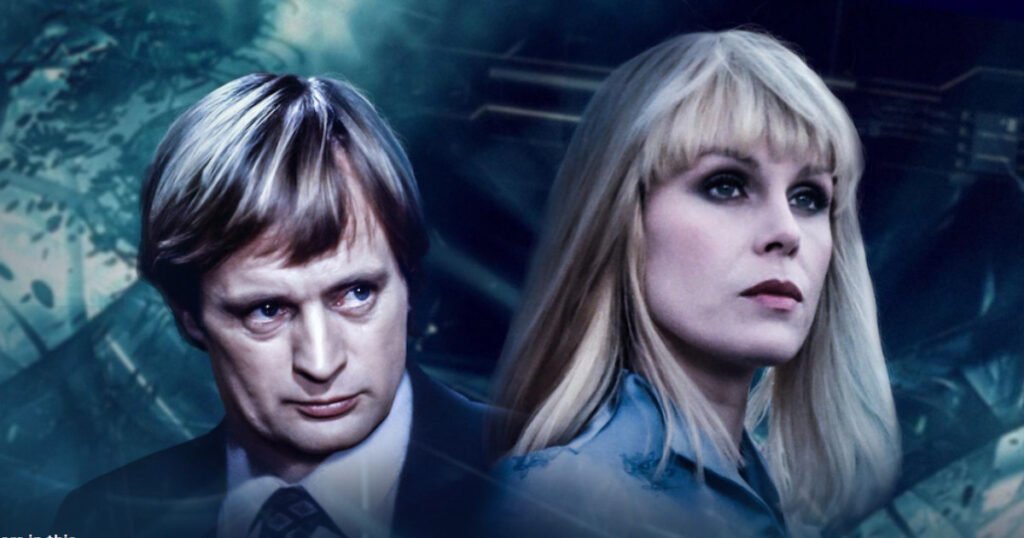
At its core, the premise is deceptively simple. Time is under attack. Breaches in reality allow hostile forces to slip through, often using human emotion, memory, and repetition as entry points. To combat this, mysterious agents are assigned to restore order. Sapphire and Steel, played with quiet intensity by Joanna Lumley and David McCallum, are among the most effective of these operatives. They are not human, not entirely comprehensible, and not especially compassionate.
Unlike many genre series of its era, Sapphire & Steel refuses to explain itself. The audience is given just enough information to understand the stakes, but never enough to feel comfortable. This refusal to provide answers is central to its lasting power.
Assignment One
The opening story introduces the show’s core ideas with remarkable confidence. A family’s home becomes the site of a temporal disturbance linked to nursery rhymes, those deceptively simple pieces of childhood language that echo through time. Children begin to recite them with increasing intensity, as if channelled by something unseen.
Sapphire and Steel arrive to investigate, immediately establishing their dynamic. Sapphire is intuitive, empathetic in her own alien way, while Steel is rigid, authoritative, and often ruthless. Together, they uncover a threat that feeds on repetition and memory, using the past as a weapon.
What makes this story so effective is its use of the familiar made uncanny. Nursery rhymes, something deeply ingrained in British culture, become unsettling through repetition and context. Production limitations work in the show’s favour here, with sparse sets and minimal effects forcing the viewer to focus on tone rather than spectacle.
Assignment Two
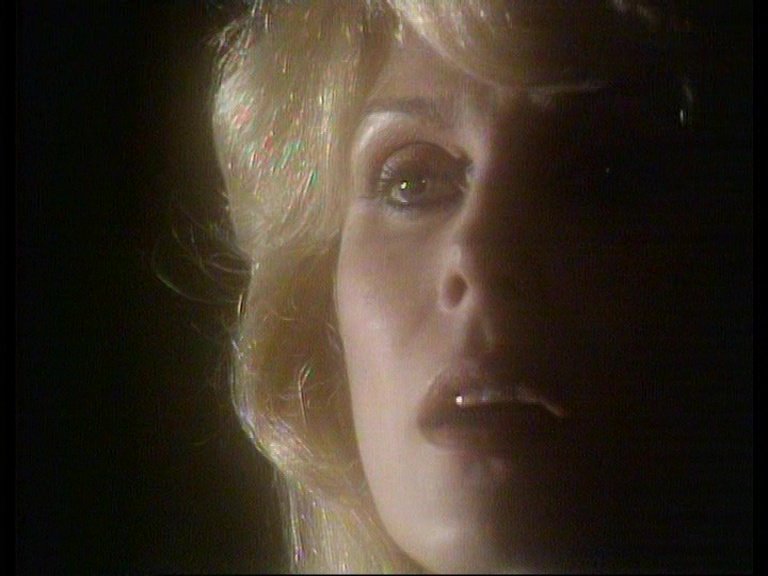
The second story shifts to a railway station, where a soldier from the First World War appears to be trapped in a temporal loop. The station itself feels disconnected from reality, a place where time folds in on itself and history refuses to settle.
This assignment leans heavily into melancholy. The trapped soldier represents the lingering trauma of war, a past that cannot be resolved. Sapphire and Steel approach the situation methodically, but their detachment contrasts sharply with the human cost of the disturbance.
Notably, this story expands the mythology slightly, hinting at the scale of the war against time. Yet it still avoids concrete answers, preferring suggestion over explanation. The result is haunting rather than satisfying in a traditional sense.
Assignment Three
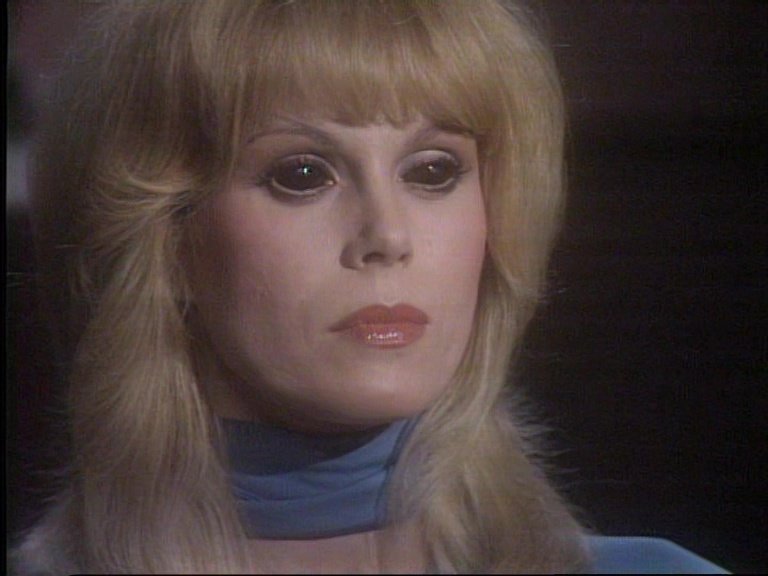
In Assignment Three, the series moves into a modern apartment block plagued by an unseen presence that manipulates sound and memory. Voices echo where they should not, conversations repeat, and identity begins to blur.
This is one of the most psychologically intense stories in the series. The threat is less tangible than before, relying on disorientation and paranoia. Sapphire and Steel must navigate a situation where even perception cannot be trusted.
The production design, once again minimal, becomes a strength. Long corridors, empty rooms, and awkward silences create a sense of isolation. It is a story that lingers, precisely because it resists clear interpretation.
Assignment Four
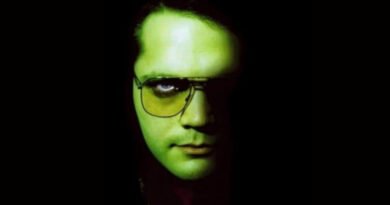
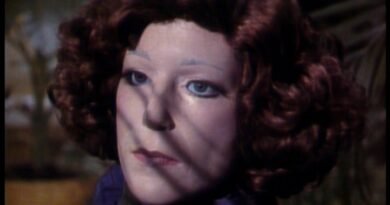
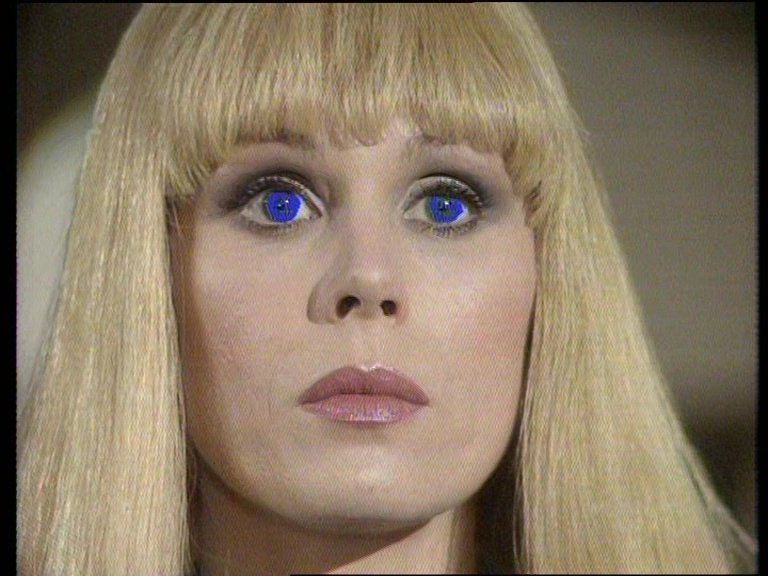
Perhaps the most famous of all the stories, Assignment Four traps Sapphire and Steel in an abandoned railway station haunted by faceless figures and echoes of the past. This is Sapphire & Steel at its most iconic.
The faceless entities, dressed in period clothing, move slowly and deliberately, their lack of identity making them deeply unnerving. Time feels stagnant, as though the station exists outside reality altogether.
This assignment is notable for its pacing. It unfolds slowly, almost hypnotically, allowing tension to build through stillness rather than action. It also demonstrates the show’s confidence in its own tone, trusting the audience to sit with discomfort.
Assignment Five
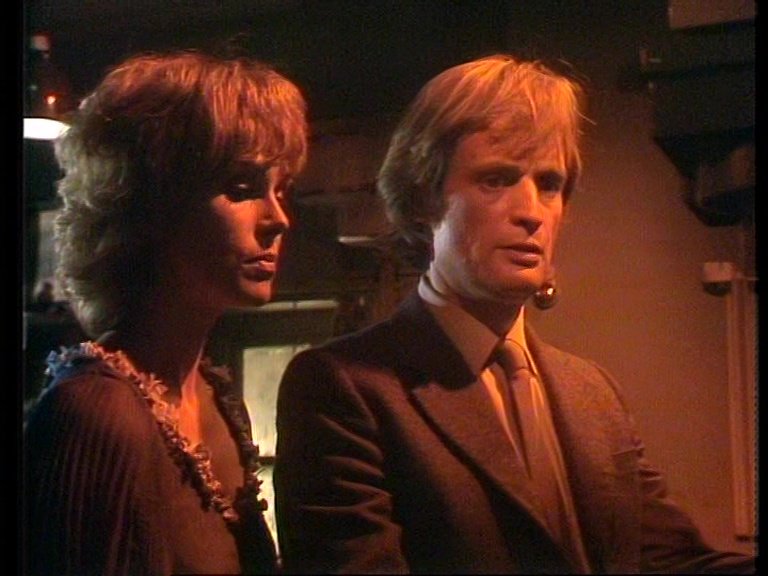
Assignment Five introduces a more technological angle, with a time disturbance linked to a sinister use of modern communication systems. Messages from the past begin to intrude upon the present, creating a sense of inevitability.
While slightly more grounded in concept, the story maintains the series’ signature ambiguity. Sapphire and Steel remain outsiders, intervening without fully explaining their methods or motivations.
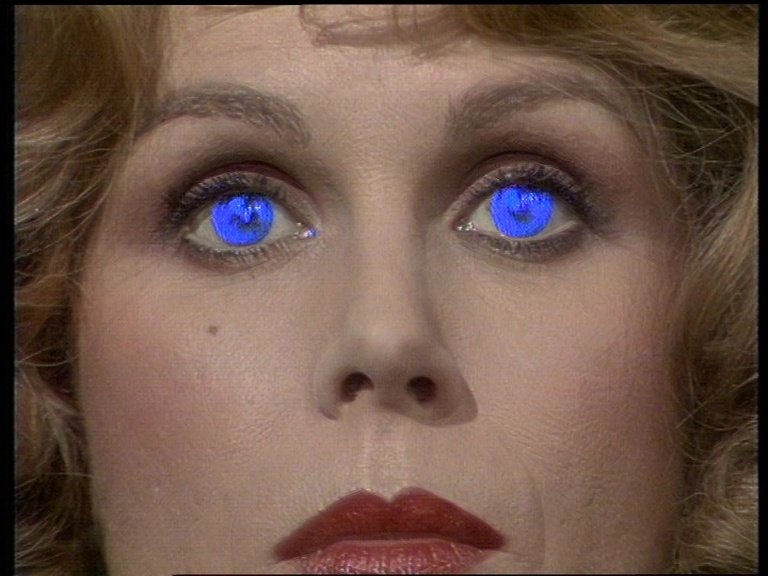
This assignment also highlights the show’s recurring theme of intrusion. The past is not merely something that has happened, but something that can return, often with hostile intent.
Assignment Six
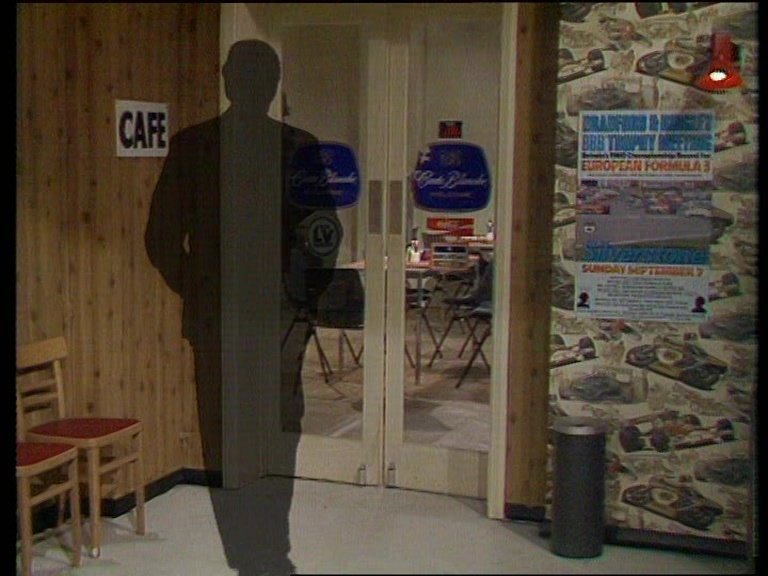
The final story takes a darker turn, both narratively and emotionally. Sapphire and Steel investigate a motorway service station where time has broken down completely. Travellers become trapped, unable to move forward or back, caught in a liminal space.
What begins as a familiar investigation gradually reveals something more disturbing. The agents themselves are vulnerable. Their control is not absolute, and their mission may be more dangerous than previously suggested.
The ending is famously bleak. Rather than restoring order, Sapphire and Steel find themselves trapped, effectively written out of time. There is no resolution, no rescue, and no explanation. The series simply ends.
This conclusion is one of the most striking in British television. It refuses closure entirely, reinforcing the idea that the forces at work are beyond comprehension and control.
Characters and Performances
Joanna Lumley’s Sapphire is a study in restraint. She conveys intelligence and empathy without ever becoming fully human, maintaining an otherworldly presence throughout. David McCallum’s Steel provides a perfect counterbalance, his clipped delivery and rigid posture emphasising control and authority.
Their chemistry is subtle but effective. There is a sense of partnership, but never warmth in the traditional sense. They are colleagues, not companions, united by purpose rather than emotion.
Supporting characters often serve as conduits for the horror, ordinary people caught in extraordinary circumstances. Their confusion and fear ground the series, providing contrast to the agents’ detachment.
Production and Trivia
Budget constraints shaped every aspect of Sapphire & Steel. Rather than attempting to compete with larger productions, the series embraced minimalism. Sets were sparse, effects were limited, and much of the horror was implied rather than shown.
This approach proved highly effective. By leaving gaps in both visuals and narrative, the show engaged the audience’s imagination. What is not seen becomes far more frightening.
The series was also unusual for its time in its refusal to explain its mythology. Even the nature of Sapphire and Steel is left deliberately vague. They are elemental, perhaps, or something stranger, but never fully defined.
Impact on British Television
Sapphire & Steel occupies a unique position in British television history. It is neither traditional science fiction nor conventional horror, instead existing somewhere in between. Its influence can be seen in later series that prioritise atmosphere and ambiguity over exposition.
The show also demonstrated that limitations could be an asset. Its stripped-down aesthetic has inspired creators to focus on tone and writing rather than spectacle. In this sense, it stands alongside other cult classics that achieved greatness through constraint.
Why Sapphire & Steel Endures
Decades after its original broadcast, Sapphire & Steel remains deeply unsettling. Its refusal to explain itself invites repeated viewings, each revealing new interpretations and unanswered questions.
The series trusts its audience in a way that feels rare, even now. It does not hold your hand, does not provide easy answers, and does not offer comfort. Instead, it presents a world where time is fragile, reality is unreliable, and resolution is not guaranteed.
That final image, of Sapphire and Steel trapped beyond time, lingers long after the credits roll. It is a reminder that some stories are not meant to end neatly, and that sometimes the most powerful horror comes not from what is shown, but from what is left unresolved.