Horror Movies That Made People Walk Out
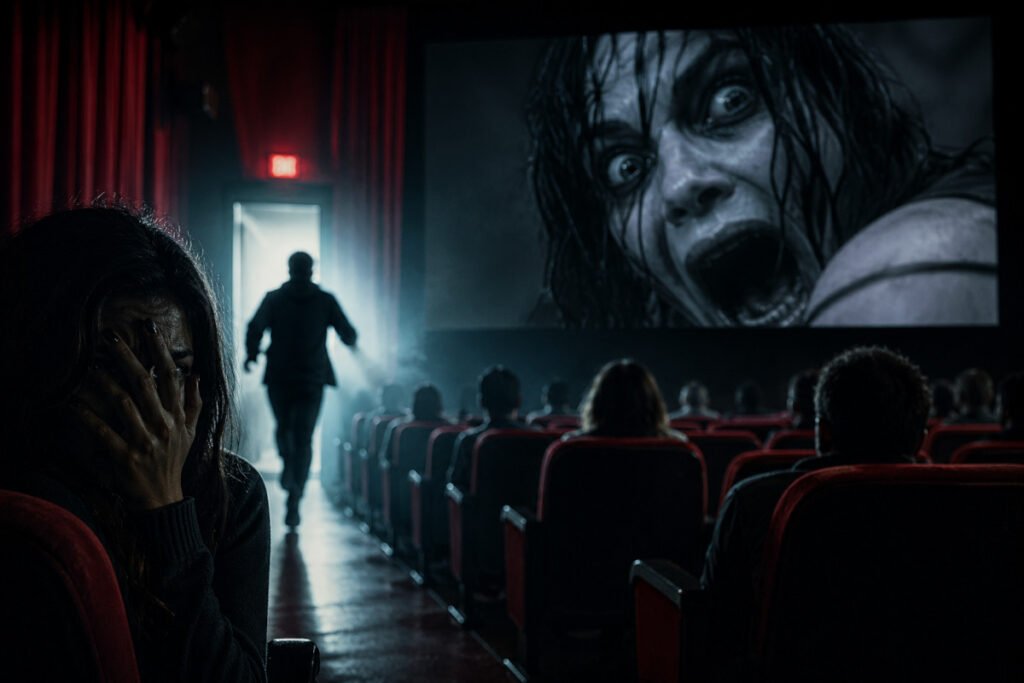
Horror has always thrived on pushing boundaries. From the earliest days of cinema, filmmakers have tried to provoke fear, disgust, and emotional unease. But sometimes, a film goes so far that viewers simply cannot handle it. They leave their seats, walk out of the theater, and in doing so become part of the film’s legacy.
This article explores horror movies that triggered extreme audience reactions. These are not just scary films. They are experiences that tested tolerance levels, crossed cultural lines, and sparked debates about what should or should not be shown on screen.
The Exorcist 1973: Fear Becomes Physical
When The Exorcist premiered in 1973, audiences were not prepared for what they were about to see. Reports quickly spread of people fainting, vomiting, and running out of theaters. Some cinemas even kept medical staff on standby.
The film’s power came from its realism. Unlike earlier supernatural films, it presented possession in a grounded, almost documentary like way. The combination of disturbing imagery, intense performances, and religious themes created an experience that felt too real for many viewers.
Walkouts were common, but they only fueled the film’s success. People wanted to test themselves. Could they endure it? For many, the answer was no.

The Texas Chain Saw Massacre 1974: Raw Terror
Tobe Hooper’s The Texas Chain Saw Massacre shocked audiences with its gritty, unpolished style. It felt less like a movie and more like found footage of real violence. That illusion made it deeply unsettling.
Viewers walked out not just because of the violence, but because of the relentless atmosphere. There was no relief, no comfort, and no clear moral structure. The film trapped audiences in a nightmare and refused to let them escape.
Even today, many consider it one of the most disturbing films ever made.

Cannibal Holocaust 1980: Too Real for Comfort
Cannibal Holocaust pushed boundaries so far that it blurred the line between fiction and reality. Directed by Ruggero Deodato, the film used a found footage style years before it became mainstream.
Audiences were horrified by the graphic violence and the realistic presentation. Some believed the footage was real, leading to legal investigations. The director was even required to prove that the actors were alive.
Walkouts were inevitable. For many viewers, the film crossed an ethical line. It was not just disturbing. It felt wrong.
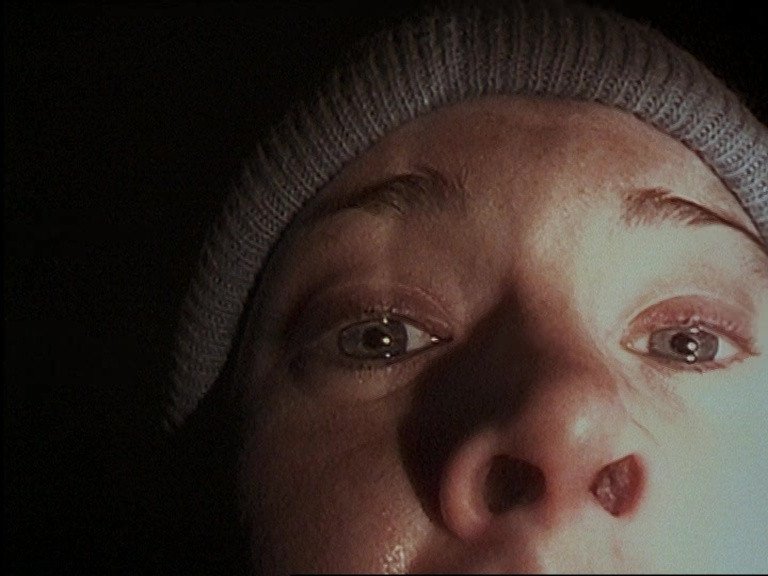
The Blair Witch Project 1999: Psychological Overload
The Blair Witch Project terrified audiences in a completely different way. There were no elaborate special effects or graphic scenes. Instead, the film relied on suggestion and imagination.
The marketing played a huge role. Many viewers believed the footage was real. This added a layer of authenticity that made the experience overwhelming.
Some people left the theater feeling dizzy or anxious. The shaky camera work even caused motion sickness. Others walked out because the slow buildup and ambiguous ending frustrated them.
Irreversible 2002: Controversy and Walkouts
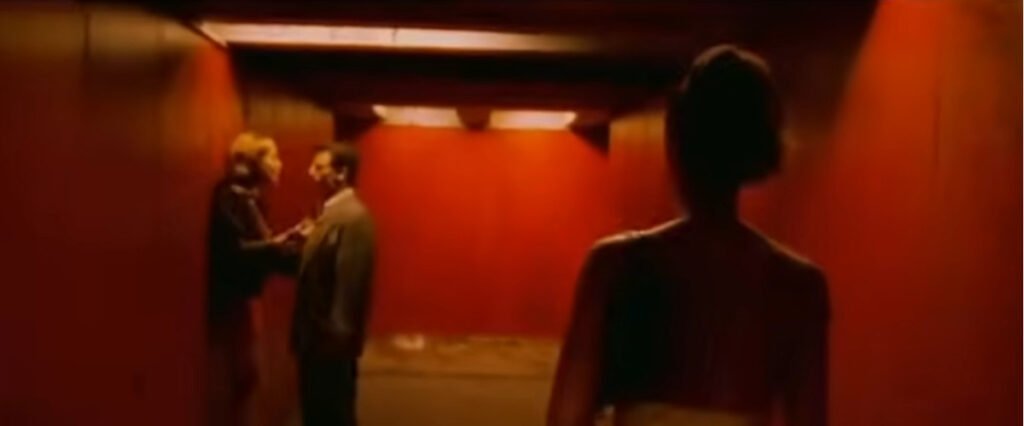
Irreversible is often cited as one of the most difficult films to sit through. Directed by Gaspar Noe, it features a notoriously long and brutal assault scene that caused widespread outrage.
At film festivals, large numbers of viewers walked out. Some could not handle the content. Others objected to what they saw as exploitation.
The film’s reverse narrative structure added to the discomfort. It forced viewers to confront events without the usual emotional preparation. For many, it was simply too much.
Hostel 2005: Torture Horror Goes Mainstream
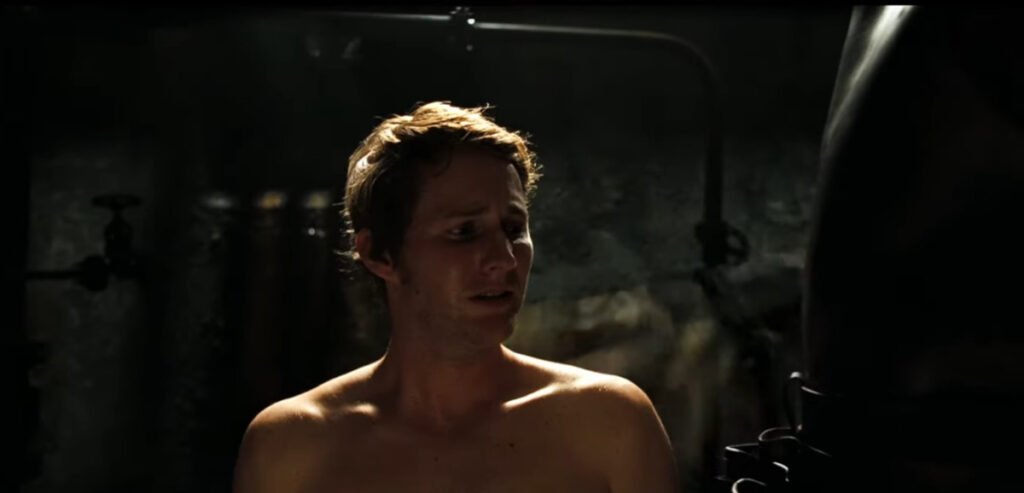
Hostel helped popularize what became known as torture horror. The film focused on prolonged scenes of suffering, pushing the limits of what mainstream audiences were used to.
While some viewers embraced the intensity, others rejected it outright. Walkouts were common, especially during the most graphic moments.
Critics debated whether the film had any deeper meaning or if it existed purely for shock value. That debate continues today.
The Human Centipede 2009: Conceptual Horror
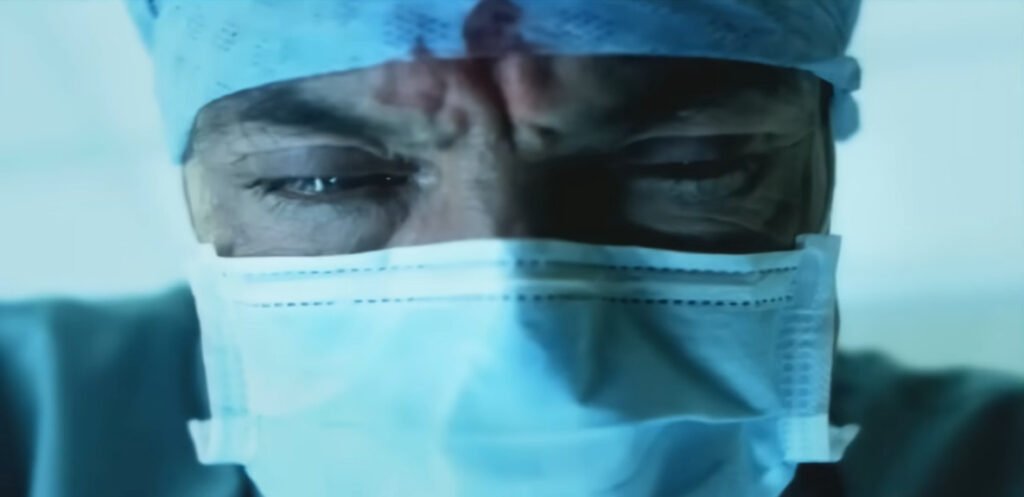
Few films have generated as much curiosity and revulsion as The Human Centipede. Its premise alone was enough to make people uneasy.
Many viewers walked out before the film even reached its most disturbing scenes. The idea itself was too much for some to process.
Despite this, the film gained a cult following. Its notoriety became its biggest selling point.
A Serbian Film 2010: Crossing Every Line
A Serbian Film is often described as one of the most extreme movies ever made. It deliberately pushes boundaries with graphic and taboo content.
Walkouts were not just common. They were expected. The film was banned in several countries and heavily censored in others.
For many viewers, the experience was not just disturbing but deeply upsetting. It raised serious questions about the limits of artistic expression.

The Green Inferno 2013: Return of Exploitation
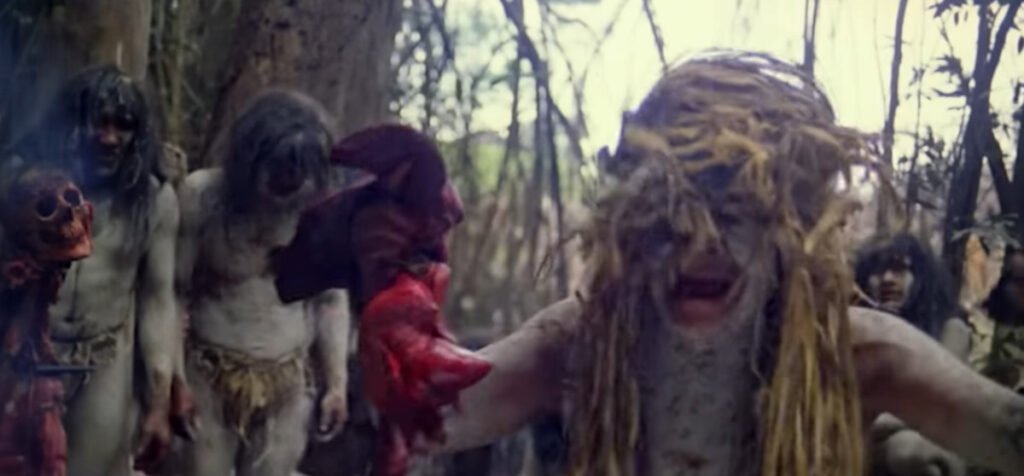
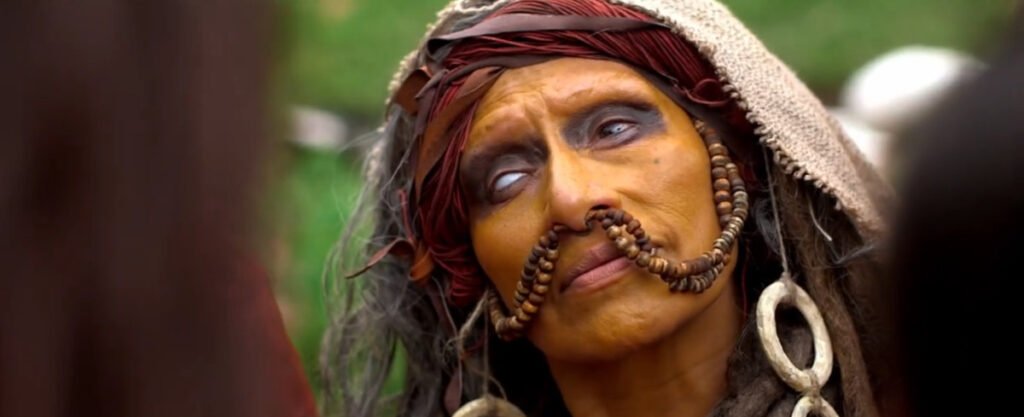
Inspired by earlier cannibal films, The Green Inferno brought graphic exploitation back to modern audiences. Directed by Eli Roth, it combined social commentary with brutal imagery.
Some viewers appreciated the homage to classic horror. Others found it excessive and unnecessary. Walkouts reflected that divide.
The film demonstrated that even in a desensitized era, certain images can still provoke strong reactions.
Hereditary 2018: Emotional Devastation
Hereditary proved that psychological horror can be just as overwhelming as graphic violence. The film’s intense emotional themes and shocking moments left audiences shaken.
Some viewers walked out not because of gore, but because of the emotional weight. Grief, trauma, and dread were portrayed in a way that felt deeply personal.
The film lingered long after it ended, which for some was more unsettling than anything they saw on screen.

Why Do People Walk Out
Walking out of a horror film is not always about fear. It can be about discomfort, moral objection, or even physical reactions. These films challenge viewers in different ways.
Some rely on graphic imagery. Others use psychological tension or controversial themes. What they share is a willingness to push boundaries.
Audience reactions are also shaped by expectations. A viewer who expects a conventional horror movie may be unprepared for something more extreme. That mismatch can lead to walkouts.
The Role of Controversy
Controversy often fuels a film’s success. When people hear that others walked out, it creates curiosity. It becomes a challenge. Can you handle it?
This dynamic has been part of horror marketing for decades. Reports of fainting or vomiting are sometimes exaggerated, but they still attract attention.
In this sense, walkouts are not just a reaction. They are part of the spectacle.
Modern Audiences and Changing Limits
Today’s audiences are more exposed to extreme content than ever before. Streaming platforms and online media have expanded what people consider acceptable.
Yet, there are still limits. Films like those listed above prove that certain boundaries remain. When those boundaries are crossed, reactions can be intense.
Interestingly, what shocks one generation may not shock another. Cultural context plays a huge role in how horror is received.
Final Thoughts
Horror movies that make people walk out occupy a unique space in cinema. They are not just films. They are tests of endurance, conversation starters, and cultural flashpoints.
Whether you see them as artistic expression or unnecessary provocation, there is no denying their impact. They challenge audiences to confront their limits and question what they are willing to watch.
If you are brave enough to explore these films, be prepared. You might discover a new appreciation for horror. Or you might find yourself heading for the exit.
Either way, the experience is unforgettable.