Penda’s Fen (1974) Review – A Haunting and Thought-Provoking British Folk Horror Classic
Title:
Penda’s Fen (1974)
Writer(s):
David Rudkin
Director:
Alan Clarke
Main Cast: Actor (Character):
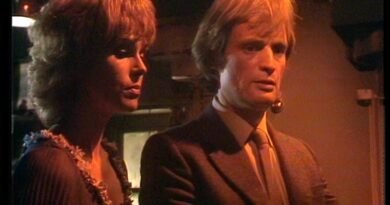
Spencer Banks (Stephen Franklin), Geoffrey Staines (Rev. Franklin), Georgina Hale (Arabel Lee), John Atkinson (Headmaster), Paul Farley (Milkman)
Synopsis
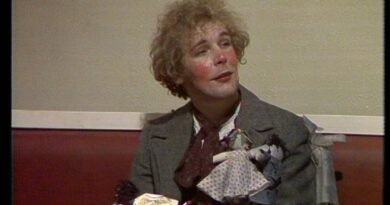
Penda’s Fen (1974) is a deeply unconventional British television drama that blends folk horror, psychological exploration, and political allegory. The story follows Stephen Franklin, a devout and conservative schoolboy living in rural Worcestershire, whose rigid worldview begins to unravel after a series of strange and symbolic experiences.
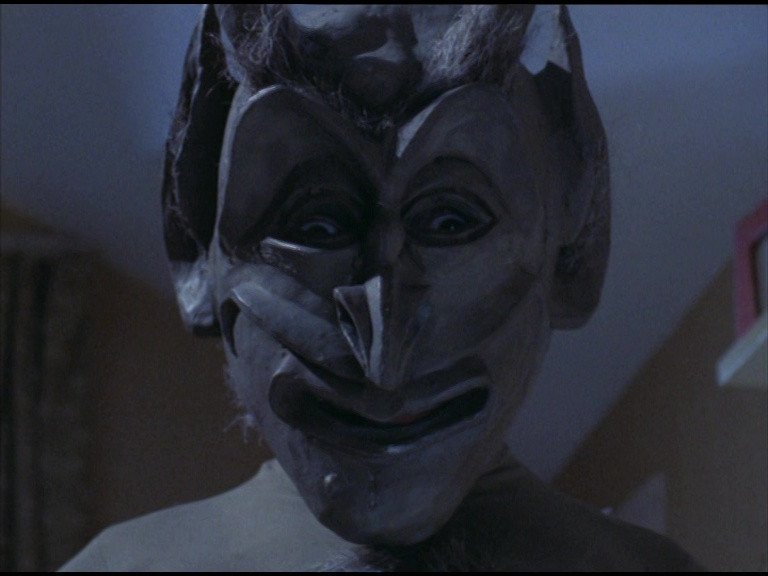
Set against the backdrop of the Malvern Hills, Stephen encounters visions that challenge his beliefs, ranging from supernatural figures to historical and mythical presences, including the pagan King Penda. As these encounters intensify, Stephen is forced to confront questions of identity, sexuality, religion, and national heritage.
Rather than following a traditional narrative, the film unfolds as a series of surreal and philosophical episodes, gradually deconstructing Stephen’s sense of self.
What Works
The film’s greatest strength lies in its atmosphere and thematic ambition. It captures a distinctly British sense of place, using the natural landscape to evoke both beauty and unease.
David Rudkin’s script is rich with symbolism and layered meaning, exploring complex ideas around identity, belief, and cultural history. It invites interpretation rather than providing clear answers.
Spencer Banks delivers a compelling performance, portraying Stephen’s internal conflict with sincerity and nuance. His transformation is subtle but powerful.
Alan Clarke’s direction is restrained yet effective, allowing the material’s philosophical depth to take centre stage without unnecessary embellishment.
What Doesn’t Work
Penda’s Fen is not an easy watch. Its abstract structure and dense themes can be challenging, particularly for viewers expecting conventional storytelling.
The pacing is deliberate and at times slow, which may test the patience of those unfamiliar with experimental television drama.
Some of the symbolism may feel opaque or overly intellectual, potentially alienating audiences who prefer more accessible narratives.
Final Thoughts: Does It Hold Up?
Penda’s Fen holds up as a unique and thought-provoking piece of British television. Its exploration of identity and belief remains relevant, and its blending of folk horror with philosophical inquiry gives it a timeless quality.
While not traditionally frightening, its unsettling ideas and dreamlike imagery leave a lasting impression.
Who Would Enjoy This Episode?
- Fans of folk horror and British television drama.
- Viewers interested in philosophical and symbolic storytelling.
- Admirers of experimental and unconventional narratives.
- Those curious about culturally rooted horror.
Who Might Not Enjoy It?
- Viewers expecting traditional horror or clear plot structure.
- Those who prefer fast-paced or action-driven stories.
- Audiences who dislike abstract or ambiguous storytelling.
Final Verdict
Penda’s Fen (1974) is a bold, introspective, and deeply symbolic work that defies easy categorisation. Though challenging, its intellectual depth and haunting atmosphere make it a standout piece of British folk horror.