Sapphire & Steel: Assignment Six (Season 6)
Sapphire & Steel: Assignment Six (Season 6)
Plot Summary
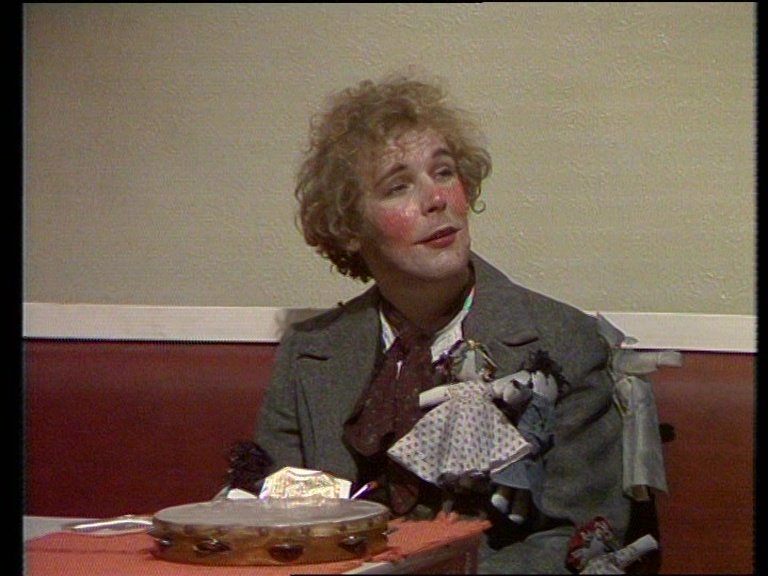
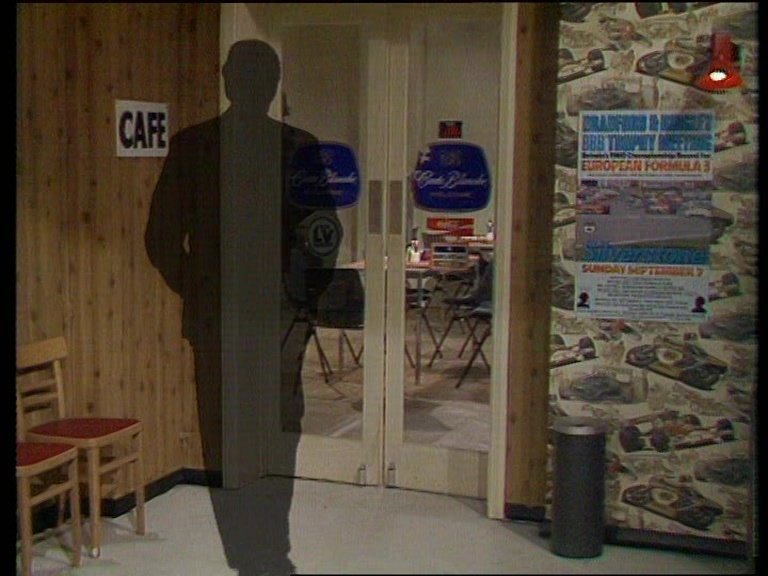
Assignment Six brings Sapphire & Steel to its bleakest and most uncompromising conclusion. The setting is a motorway service station, an in-between space designed for brief توقف and onward movement. Here, however, movement has ceased to function properly. Travellers arrive but do not leave. Time does not progress in any meaningful way. Instead, it stretches, stalls, and loops in subtle, disquieting patterns.
Sapphire and Steel are dispatched to investigate what initially appears to be another contained temporal anomaly. As with previous assignments, they take control quickly, restricting access and attempting to identify the nature of the disturbance. Yet almost immediately, there is a sense that this situation is different. The rules are less clear, the environment less responsive, and the threat more pervasive.
The service station is populated by individuals from different walks of life, all equally trapped. Conversations repeat with slight variations. Journeys cannot be completed. Attempts to leave result in confusion, delay, or a quiet return to the same point. The space itself feels insulated from the outside world, cut off from the normal flow of time.
As the investigation deepens, it becomes apparent that the disturbance is not simply a breach but a form of containment. Time has not merely broken here. It has been shaped into a trap. Sapphire senses a larger intelligence or structure at work, something that operates on a scale beyond previous assignments. Steel, as ever, attempts to impose order, but his methods prove increasingly ineffective.
The tension builds not through overt confrontation, but through the gradual realisation that escape may not be possible. The agents themselves begin to feel the effects of the environment. Their authority diminishes, their control erodes, and their understanding reaches its limits.
The ending is famously stark. Rather than resolving the situation, the assignment concludes with Sapphire and Steel themselves becoming trapped, sealed within the broken structure of time. There is no rescue, no reversal, and no explanation. The series ends on this note of unresolved confinement, leaving both characters and audience suspended.
Deeper Analysis
Assignment Six represents the logical endpoint of the series’ themes. Where earlier stories explored breaches, intrusions, and disruptions, this final assignment presents a scenario in which time itself has become weaponised. The motorway service station is not merely affected by the disturbance. It is the disturbance, a constructed space designed to contain and neutralise.
The choice of setting is particularly effective. A service station is inherently transitional, a place people pass through on their way elsewhere. By halting that movement, the episode creates a profound sense of dislocation. The expected rhythm of arrival and departure is replaced with stagnation, turning a mundane environment into a site of existential horror.
This emphasis on liminality is central to the episode’s impact. Characters exist in a state of suspension, neither progressing nor regressing. Time continues in a superficial sense, but without meaningful change. This creates a form of stasis that is more unsettling than outright chaos.
The concept of entrapment extends beyond the physical space. It affects perception, memory, and identity. Conversations repeat, but not perfectly. Events recur, but with subtle differences. This creates a sense of instability within repetition, preventing the comfort of predictable patterns. Instead of loops that can be understood and potentially broken, the episode presents a system that resists analysis.
Sapphire and Steel’s roles undergo a significant transformation. Throughout the series, they have functioned as agents of control, capable of restoring order to disrupted environments. Here, that authority is undermined. Their methods fail to produce results. Their knowledge proves insufficient. This shift is crucial, as it reveals the limitations of their power.
Sapphire’s intuitive approach allows her to perceive the broader nature of the trap, but not to escape it. Steel’s emphasis on control becomes increasingly ineffective, highlighting the inadequacy of rigid methods in the face of a fundamentally different kind of threat. Together, they represent two approaches that, while effective in earlier assignments, are no longer enough.
The implication is that the forces they have been combating are not isolated incidents, but part of a larger system, one capable of adapting and responding. Assignment Six suggests that the agents themselves can become targets, their presence anticipated and countered.
The episode also engages with the idea of inevitability. Unlike previous stories, where intervention leads to containment, this assignment presents a situation that cannot be resolved within the established framework. The trap is not something to be fixed, but something to be endured, or failed against.
Production limitations once again enhance the storytelling. The confined setting, minimal cast, and restrained visual style create a sense of isolation that supports the narrative. The lack of external reference points reinforces the idea that the characters are cut off from the wider world.
Sound design contributes significantly to the atmosphere. The ambient noise of the service station, footsteps, distant engines, indistinct conversations, creates a constant background presence. Silence, when it occurs, feels unnatural, heightening the tension.
Pacing remains deliberate, allowing the sense of entrapment to develop gradually. There are no sudden shifts or dramatic reveals. Instead, the horror emerges through accumulation, the slow recognition that the situation is not improving and may not be survivable.
The absence of resolution is perhaps the episode’s most defining feature. By refusing to provide closure, it reinforces the series’ commitment to ambiguity and unease. The final image, of Sapphire and Steel trapped beyond time, serves as a powerful statement. Not all conflicts can be resolved. Not all systems can be controlled.
Highlights
- A deeply unsettling exploration of entrapment and temporal stasis.
- Effective use of a liminal setting to create atmosphere and tension.
- A bold narrative choice to undermine the agents’ authority.
- Strong thematic continuity with earlier assignments, brought to a logical conclusion.
- A famously bleak and memorable ending.
What Doesn’t Work:
- The lack of resolution may frustrate viewers seeking closure.
- The slow pacing may feel overly drawn out for some.
- Supporting characters remain secondary to the central concept.
- The abstract nature of the threat can be difficult to fully interpret.
Final Thoughts
Assignment Six is a striking and uncompromising conclusion to Sapphire & Steel. It takes the series’ core ideas and pushes them to their limits, presenting a scenario in which control fails and understanding proves insufficient.
The episode’s strength lies in its willingness to deny resolution. Rather than providing a satisfying conclusion, it leaves the audience with a lingering sense of unease. This decision may divide viewers, but it is entirely consistent with the series’ identity.
By ending on a note of entrapment and ambiguity, Assignment Six reinforces the idea that the forces at work are vast, complex, and not easily contained. It transforms the series from a collection of isolated incidents into something larger, a world in which time itself is fragile, and those who seek to protect it are not immune to its failures.
As a final chapter, it is both unsettling and fitting, a conclusion that refuses to comfort, and in doing so, ensures that Sapphire & Steel remains memorable long after it ends.