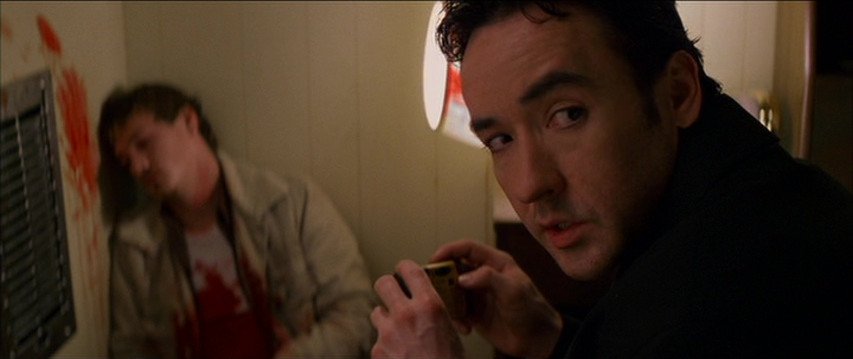
Identity (2003) Review – A Twisty Psychological Thriller with a Dark Horror Edge
Title:
Identity (2003)
Writer(s):
Michael Cooney
Director:
James Mangold
Main Cast: Actor (Character):
John Cusack (Ed Dakota), Ray Liotta (Rhodes), Amanda Peet (Paris), John Hawkes (Larry Washington), Alfred Molina (Dr. Malick), Clea DuVall (Ginny), Rebecca De Mornay (Caroline Suzanne), Jake Busey (Robert Maine)
Synopsis
Identity (2003) is a psychological thriller with a horror edge, set during a torrential storm that forces a group of strangers to take shelter at a remote Nevada motel. As the rain cuts them off from the outside world, tensions rise, and then the killings begin. One by one, the guests are murdered, each death seemingly following a pattern tied to their identities.
Intercut with this escalating mystery is a parallel storyline involving a death row inmate whose fate hinges on a last-minute psychiatric hearing. As both narratives unfold, the connection between them becomes increasingly disturbing, culminating in a twist that reframes everything the audience has seen.
What Works
The film thrives on its tightly controlled atmosphere. The isolated motel setting, battered by relentless rain, creates a claustrophobic environment that enhances both suspense and paranoia.
James Mangold’s direction keeps the tension taut, balancing ensemble character dynamics with a steadily mounting sense of dread. The film’s structure, gradually revealing clues while misdirecting the audience—makes it highly engaging.
John Cusack delivers a strong central performance, grounding the chaos with a calm but determined presence. Ray Liotta brings intensity and unpredictability, while Amanda Peet adds emotional depth to what could have been a simple archetype.
The film’s biggest strength is its twist. Bold, divisive, and memorable, it transforms the narrative from a standard whodunnit into something far more psychological and unsettling.
What Doesn’t Work
The twist, while clever, may not land for all viewers. Some may find it undermines the grounded tension built in the first half, shifting the film into a more abstract territory that feels disconnected.
Certain characters are underdeveloped, serving more as narrative devices than fully realised individuals. This can reduce the emotional impact of their fates.
Additionally, once the mystery is solved, the film’s rewatch value may depend heavily on appreciation of its structure rather than its suspense.
Final Thoughts: Does It Hold Up?
Identity holds up well as a tense and inventive thriller with horror undertones. Its commitment to a bold narrative idea ensures it remains memorable, even if its execution divides opinion. The film’s atmosphere, performances, and pacing make it a standout example of early-2000s psychological horror-thriller hybrids.
Who Would Enjoy This Episode?
- Fans of psychological thrillers with horror elements.
- Viewers who enjoy twist-heavy narratives.
- Those who appreciate ensemble casts in contained settings.
- Fans of mystery-driven storytelling.
Who Might Not Enjoy It?
- Viewers who dislike ambiguous or reality-bending twists.
- Those expecting traditional slasher or supernatural horror.
- Audiences who prefer straightforward narratives.
Final Verdict
Identity (2003) is a gripping and cleverly constructed psychological thriller that blends mystery and horror into a tense, rain-soaked nightmare. Its divisive twist won’t work for everyone, but its atmosphere and performances make it a compelling and memorable watch.