
A Nightmare on Elm Street 2: Freddy’s Revenge (1985) Review
Title:
A Nightmare on Elm Street 2: Freddy’s Revenge (1985)
Writer(s):
David Chaskin, based on characters created by Wes Craven
Director:
Jack Sholder
Main Cast: Actor (Character):
Mark Patton (Jesse Walsh), Kim Myers (Lisa Webber), Robert Englund (Freddy Krueger), Robert Rusler (Grady), Clu Gulager (Ken Walsh), Hope Lange (Cheryl Walsh)
Synopsis
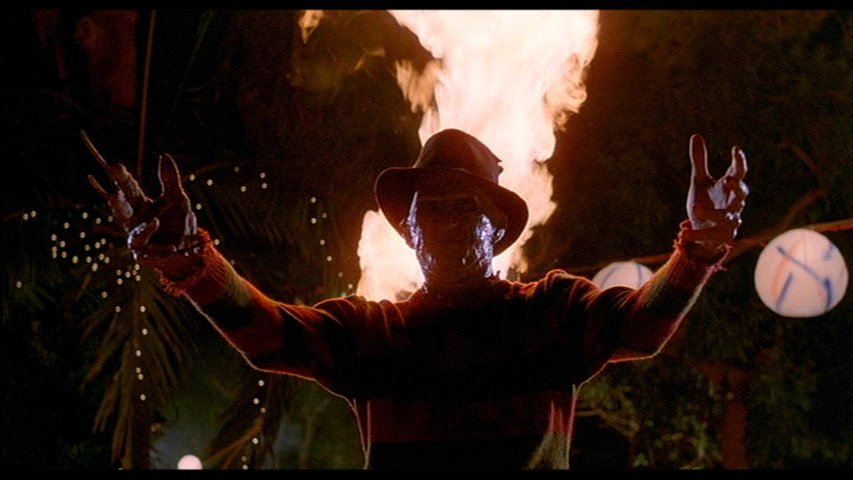
A Nightmare on Elm Street 2: Freddy’s Revenge (1985) is the controversial and often debated sequel to Wes Craven’s original 1984 horror classic. Set five years after the events of the first film, the story follows Jesse Walsh, a teenager who moves with his family into the former home of Nancy Thompson on Elm Street.
Almost immediately, Jesse begins to experience disturbing nightmares featuring Freddy Krueger. However, unlike the first film, Freddy’s presence begins to extend beyond sleep. Jesse finds himself losing control of his own body, as Freddy attempts to manifest in the real world through him.
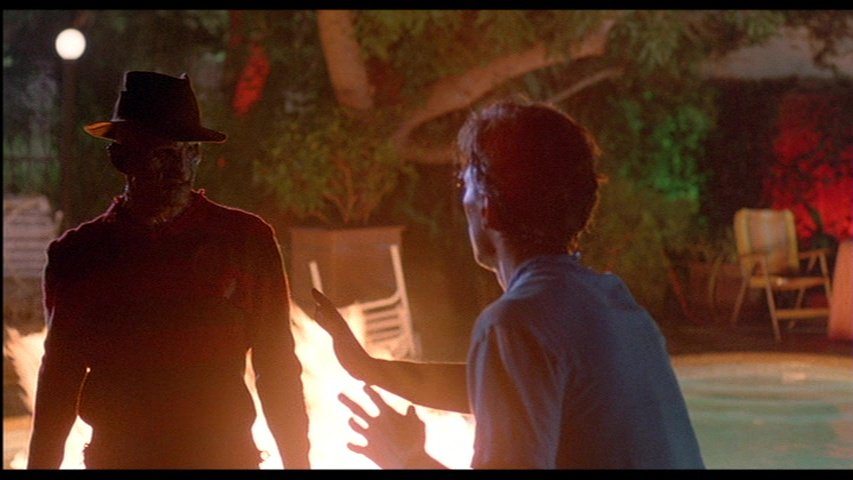
As strange and violent incidents begin to occur in Jesse’s waking life, he struggles to understand what is happening to him. With the help of his girlfriend Lisa Webber, he attempts to resist Freddy’s influence, but the connection between them grows stronger. Freddy’s goal becomes increasingly clear. He wants to use Jesse as a vessel to continue his killing spree in the real world.
As Jesse’s behaviour becomes more erratic and dangerous, those around him begin to suspect that he may be responsible for the growing violence in the town. The film builds toward a confrontation in which Jesse must face both Freddy and his own internal fears.
What Works
One of the most interesting aspects of Freddy’s Revenge is its attempt to reinterpret the rules established in the original film. Rather than focusing solely on dreams as a battleground, this sequel explores the idea of possession and psychological invasion. This shift gives the film a different identity, even if it was initially controversial among fans of the franchise.
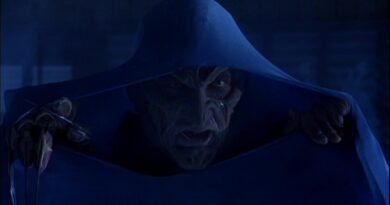
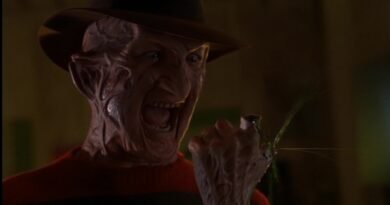
Robert Englund once again delivers a strong performance as Freddy Krueger. While the character is slightly less cryptic and more physically present in this instalment, Englund maintains the menace and charisma that made Freddy iconic. His presence is more direct, which changes the tone but keeps the character compelling.
Mark Patton gives a notable performance as Jesse Walsh. His portrayal captures a growing sense of panic and confusion as he loses control over his own actions. The role requires a wide emotional range, from vulnerability to terror, and Patton brings a raw intensity to the character that anchors the film.
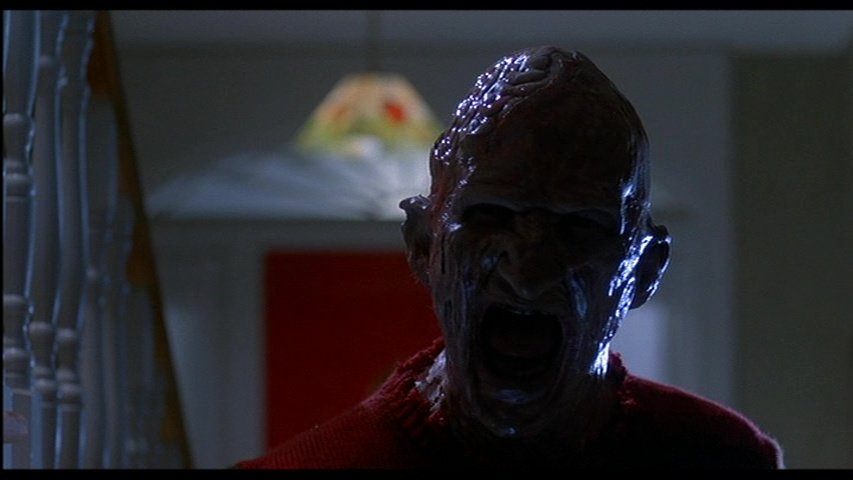
The film also contains several memorable practical effects sequences. Freddy’s emergence into the real world is handled with physical effects that, while sometimes dated, still carry a sense of unsettling transformation. The bus attack sequence is particularly notable for its chaotic energy and surreal imagery.
Jack Sholder’s direction gives the film a more grounded, suburban feel compared to the dreamlike surrealism of the original. This shift creates a different type of horror atmosphere, one that leans more toward psychological tension and body horror.
What Doesn’t Work
Despite its interesting ideas, the film struggles with consistency. The internal logic of Freddy’s powers is less clearly defined than in the original, which can make the rules of the story feel unclear at times. The transition from dream based horror to real world possession is not always handled smoothly.
Some of the dialogue feels dated and occasionally unintentionally awkward. This can affect the tone of certain scenes, especially those intended to be serious or emotional.
The pacing is uneven, with a slow build in the first half followed by a more chaotic second half. While this escalation is intentional, it may feel disjointed to some viewers.
The film’s subtext has been widely discussed and interpreted over the years, particularly regarding themes of identity and repression. While this adds depth for some viewers, it also led to confusion and misinterpretation at the time of release, which affected its initial reception.
Certain supporting characters are underdeveloped, serving primarily as narrative devices rather than fully realised individuals. This limits the emotional impact of some key events.
Final Thoughts: Does It Hold Up?
A Nightmare on Elm Street 2: Freddy’s Revenge has grown significantly in reputation over time. While it was initially met with mixed reactions, it has since been re-evaluated as a unique and unconventional entry in the franchise.
Its departure from the dream logic of the first film gives it a distinct identity. Rather than attempting to replicate the original, it explores new territory, focusing on possession, identity crisis, and psychological breakdown.
The film’s ambiguity and subtext have contributed to its cult status. Modern audiences often view it through a different lens, appreciating its themes and performances in ways that were not fully recognised at the time of release.
While it may not match the originality or impact of the first film, it remains an interesting and important chapter in the series. Its willingness to experiment, even imperfectly, makes it stand out among typical horror sequels of the era.
Who Would Enjoy This Episode?
- Fans of the A Nightmare on Elm Street franchise.
- Viewers interested in psychological and body horror themes.
- Those who enjoy cult horror films with unconventional storytelling.
- Fans of 1980s horror cinema.
- Audiences interested in character driven horror narratives.
Who Might Not Enjoy It?
- Viewers expecting a direct continuation of the original film’s dream logic.
- Those who prefer consistent internal rules in horror narratives.
- Audiences seeking fast paced slasher action throughout.
- Viewers who dislike ambiguous or symbolic storytelling.
Final Verdict
A Nightmare on Elm Street 2: Freddy’s Revenge (1985) is a divisive but fascinating sequel that takes the franchise in a different direction. While uneven in places, it offers strong performances, memorable imagery, and a unique interpretation of Freddy Krueger’s mythology. Over time, it has become a cult favourite for its bold choices and psychological undertones.


Pingback: A Nightmare on Elm Street: A Retrospective