Freddy’s Dead: The Final Nightmare (1991) Review
Title:
Freddy’s Dead: The Final Nightmare (1991)
Writer(s):
Michael De Luca
Director:
Rachel Talalay
Main Cast: Actor (Character):
Robert Englund (Freddy Krueger), Lisa Zane (Maggie Burroughs), Shon Greenblatt (John Doe), Yaphet Kotto (Doc), Breckin Meyer (Spencer), Ricky Dean Logan (Carlos), Erika Anderson (Tracy), Leslie Deane (Loretta)
Synopsis
Freddy’s Dead: The Final Nightmare (1991) is the sixth entry in the A Nightmare on Elm Street franchise and was originally marketed as the conclusion of Freddy Krueger’s story. Set in a dystopian near future, the film follows a group of troubled teenagers who are being hunted in their dreams by Freddy Krueger, who has successfully eliminated all children in Springwood except one survivor known as John Doe.
John Doe suffers from amnesia and is found wandering outside of town, eventually crossing paths with Maggie Burroughs, a psychologist who works with troubled youth. Maggie believes she can help John recover his memories and understand the nightmares that plague him. However, it soon becomes clear that John is directly connected to Freddy’s origins and may hold the key to defeating him once and for all.
As the group travels back to Springwood, they discover that the town has become eerily empty of children. Freddy has already claimed his victims, and his influence over the town has grown into something almost absolute. Maggie slowly learns that she is not just an outsider, but someone deeply connected to Freddy’s past.
The story shifts between dream sequences, flashbacks, and surreal revelations about Freddy Krueger’s life before he became a dream demon. The final confrontation reveals long buried secrets about Freddy’s daughter and his final opportunity for rebirth into the real world.
What Works
One of the most distinctive aspects of Freddy’s Dead: The Final Nightmare is its willingness to experiment with tone and structure. Unlike the darker and more straightforward entries in the series, this film embraces a surreal, almost cartoonish interpretation of Freddy Krueger’s world.
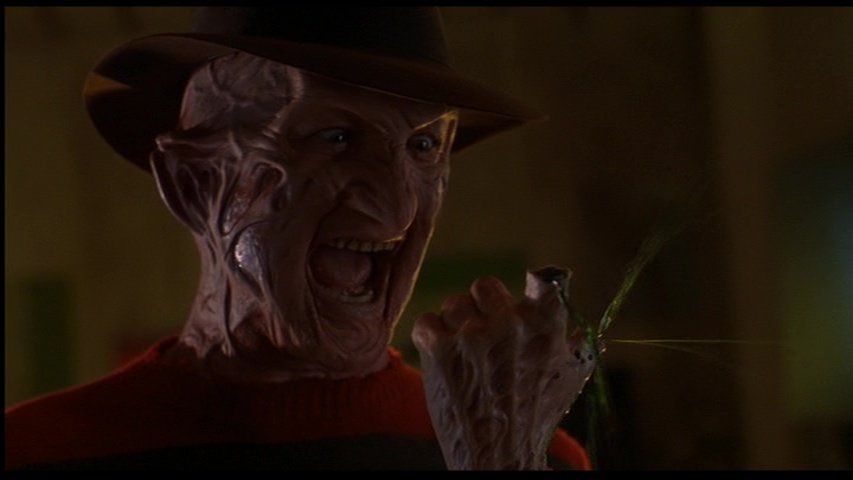
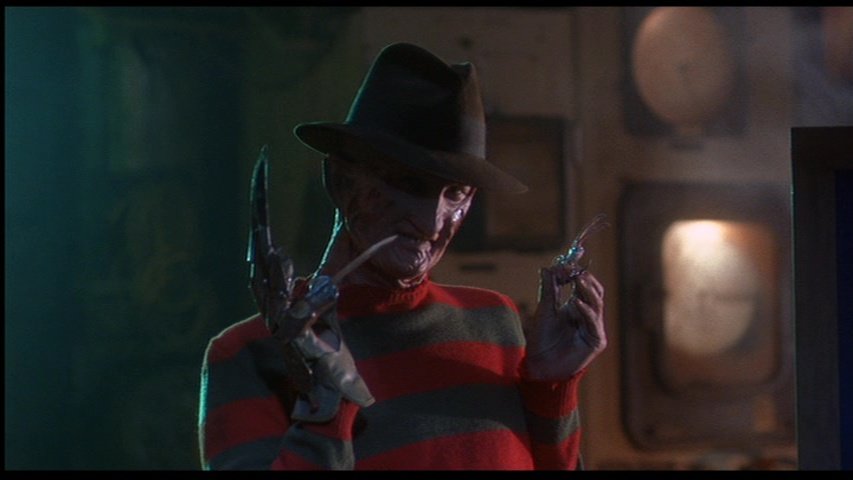
Robert Englund once again delivers a committed performance as Freddy Krueger. In this instalment, Freddy is more openly comedic and theatrical than ever before. While this shift in tone divides audiences, Englund fully embraces the character’s exaggerated personality, turning Freddy into a grotesque and chaotic presence.
The film’s exploration of Freddy’s origin story adds a new layer to the mythology. By revealing aspects of his childhood and personal history, the film attempts to humanise the villain in a way previous entries avoided. This narrative choice expands the franchise lore significantly, even if it is not universally accepted by fans.
The dream sequences are highly stylised and often intentionally surreal. The use of 3D effects in the final act, while dated, demonstrates the film’s desire to push visual experimentation within the horror genre. These sequences are designed to feel disorienting and exaggerated, reflecting Freddy’s increasingly unstable reality.
Lisa Zane delivers a strong performance as Maggie Burroughs. Her character serves as the emotional anchor of the film, gradually uncovering her connection to Freddy while maintaining a grounded presence amid the chaos. Her performance adds a sense of structure to an otherwise fragmented narrative.
The film also includes several memorable supporting characters, each representing different aspects of teenage trauma and rebellion. While not deeply developed, they contribute to the film’s episodic structure.
What Doesn’t Work
Despite its ambition, Freddy’s Dead: The Final Nightmare is widely regarded as one of the weaker entries in the franchise. The tonal shift toward comedy and surrealism can feel inconsistent, especially for viewers expecting the darker horror tone of earlier films.
The narrative structure is fragmented and often confusing. The constant shifts between dream logic, flashbacks, and reality make it difficult to maintain a clear sense of progression. This can reduce the emotional impact of key revelations.
The humour, while intentional, does not always land effectively. Freddy’s increased comedic presence sometimes undermines the tension, making scenes feel more playful than frightening.
The film’s pacing is uneven, with long stretches of setup followed by abrupt bursts of action or exposition. This inconsistency affects overall engagement.
The 3D finale, while creative for its time, is often criticised for feeling gimmicky rather than essential to the story. It disrupts the narrative flow and prioritises spectacle over coherence.
Certain character arcs are underdeveloped, particularly among the teenage supporting cast. Their deaths, while visually inventive, lack emotional weight due to limited character investment.
The attempt to provide a definitive origin for Freddy Krueger has also been divisive. Some viewers appreciate the added mythology, while others feel it diminishes the mystery that made the character effective in earlier films.
Final Thoughts: Does It Hold Up?
Freddy’s Dead: The Final Nightmare holds up as a curious and unconventional entry in the A Nightmare on Elm Street series. While it does not deliver the same level of horror or coherence as earlier films, it represents a bold attempt to close Freddy Krueger’s story in an unexpected way.
The film’s shift toward surrealism and dark comedy marks a clear departure from the psychological horror roots of the franchise. This evolution reflects the changing landscape of early 1990s horror, where experimentation and stylisation became more prominent.
Robert Englund’s performance remains a highlight, even when the tone becomes inconsistent. His portrayal of Freddy as a chaotic and theatrical figure continues to define the character’s cultural legacy.
Maggie Burroughs provides a grounded counterbalance to the chaos, and her connection to Freddy offers a narrative thread that ties the film together more effectively than its episodic structure might suggest.
Over time, the film has developed a cult following among fans who appreciate its ambition and willingness to break from franchise expectations. While it is not considered the strongest entry, it remains an important part of Freddy Krueger’s cinematic evolution.
Who Would Enjoy This Episode?
- Fans of the A Nightmare on Elm Street franchise seeking completion of the series.
- Viewers who enjoy surreal and experimental horror.
- Fans of Robert Englund’s portrayal of Freddy Krueger.
- Audiences interested in 1990s horror trends and tonal shifts.
- Viewers who appreciate cult horror films with unconventional storytelling.
Who Might Not Enjoy It?
- Viewers expecting serious or consistently frightening horror.
- Those who prefer coherent and tightly structured narratives.
- Audiences who dislike comedic horror villains.
- Fans of the earlier darker entries in the franchise.
Final Verdict
Freddy’s Dead: The Final Nightmare (1991) is a divisive and highly stylised conclusion to the original Elm Street series. While inconsistent in tone and structure, it offers an imaginative and surreal interpretation of Freddy Krueger’s final chapter.