A Nightmare on Elm Street 5: The Dream Child (1989) Review
Title:
A Nightmare on Elm Street 5: The Dream Child (1989)
Writer(s):
Stephen Hopkins, Leslie Bohem, John Skipp, Craig Spector, based on characters created by Wes Craven
Director:
Stephen Hopkins
Main Cast: Actor (Character):
Robert Englund (Freddy Krueger), Lisa Wilcox (Alice Johnson), Kelly Jo Minter (Yvonne), Danny Hassel (Dan Jordan), Erika Anderson (Greta Gibson), Whitby Hertford (Jacob Johnson), Beatrice Boepple (Amanda Krueger)
Synopsis
A Nightmare on Elm Street 5: The Dream Child (1989) continues the story of Alice Johnson, the survivor from The Dream Master, who is now trying to build a stable life with her boyfriend Dan. After overcoming Freddy Krueger in the previous film, Alice believes she has finally escaped the nightmare. However, Freddy is far from finished.
The story begins with Alice entering a calmer period of her life. She is preparing for adulthood, relationships, and the possibility of becoming a mother. Dan, her boyfriend, represents stability and hope, and their relationship forms the emotional centre of the early narrative. However, this peace is short lived as Alice begins to experience disturbing dreams once again.
Freddy Krueger returns through a new and more disturbing method. He uses Alice’s unborn child as a gateway, manipulating dream space to influence reality. The concept of dream pregnancy becomes central to the story, as Freddy attempts to be reborn through the imagination and subconscious of Alice’s child, Jacob.
As the pregnancies and dream visions intensify, Alice becomes trapped between protecting her unborn child and fighting Freddy’s influence. Jacob himself becomes a key figure in the dream world, acting as a conduit for Freddy’s manipulation. The boundaries between reality, dream, and inherited trauma begin to blur.
Freddy’s presence grows stronger as he feeds on fear, memory, and vulnerability. The film explores how nightmares can be passed down through generations, turning personal trauma into something inherited and unavoidable.
What Works
One of the strongest aspects of The Dream Child is its ambition. The film attempts to expand the mythology of the Elm Street franchise by introducing generational horror. The idea that Freddy can exploit unborn life through dreams adds a psychological and symbolic layer to the series.
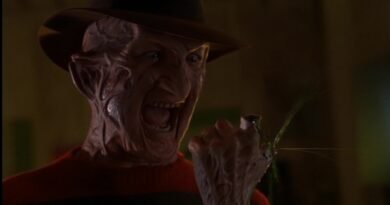
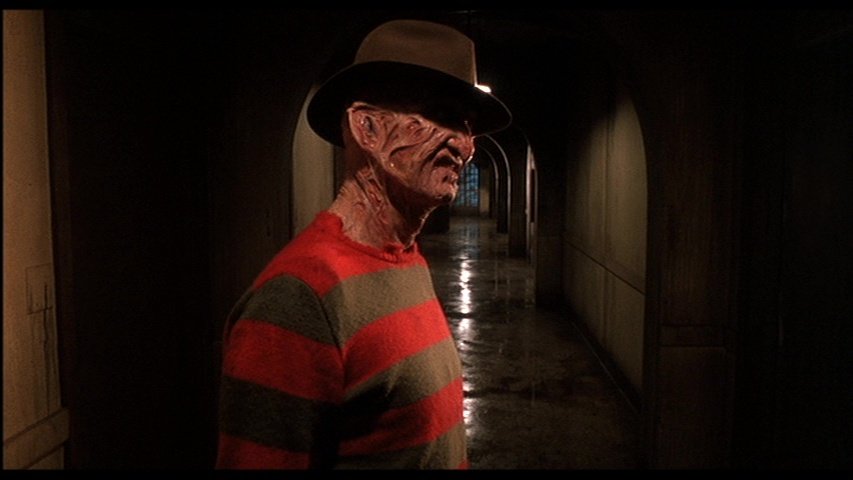
Robert Englund once again delivers a committed performance as Freddy Krueger. In this instalment, Freddy becomes more theatrical and surreal, often interacting with dream logic in exaggerated ways. While this version of Freddy is less grounded than in earlier films, Englund’s charisma keeps him engaging.
Lisa Wilcox continues her role as Alice Johnson and remains one of the franchise’s more grounded protagonists. Her performance provides emotional continuity from The Dream Master, and her character’s maternal journey adds a new dimension to her arc.
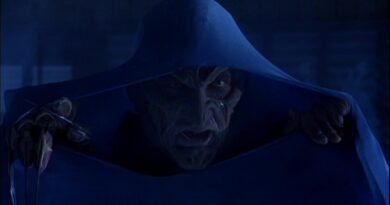
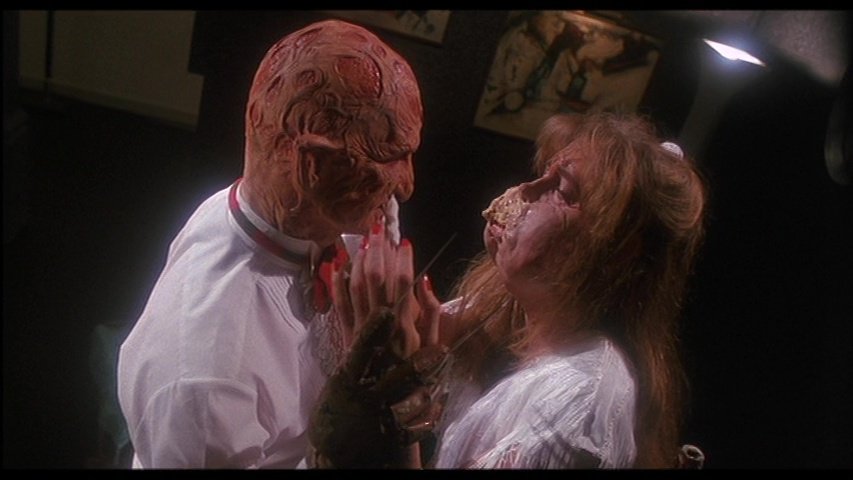
The film features several visually creative dream sequences. These include surreal transformations, symbolic imagery tied to motherhood, and distorted reality scenes that reflect Alice’s emotional state. The production design leans heavily into gothic and dreamlike aesthetics.
The concept of Jacob as a dream child is one of the more interesting narrative developments in the series. His presence in the dream world creates opportunities for emotional stakes that extend beyond simple survival horror.
Stephen Hopkins’ direction introduces a slightly darker tone compared to its predecessor. While still stylised, the film attempts to bring more emotional weight to its horror elements.
What Doesn’t Work
Despite its ambition, the film suffers from uneven execution. The narrative is often fragmented, with shifts between reality and dream lacking clear transitions. This can make the story difficult to follow at times.
The film also struggles with pacing. Early sections focus heavily on character relationships and emotional setup, but later sequences become rushed as Freddy’s influence escalates.
Some of the dialogue feels overly expositional, with characters frequently explaining plot points rather than allowing events to unfold naturally. This reduces tension in key scenes.
While the dream imagery is creative, some effects are inconsistent in quality. Certain sequences hold up well, but others rely on dated visual techniques that can undermine immersion.
The thematic ideas of generational trauma and maternal fear are present but not fully developed. The film hints at deeper psychological themes but does not always explore them in depth.
Final Thoughts: Does It Hold Up?
A Nightmare on Elm Street 5: The Dream Child is a mixed but interesting entry in the franchise. It attempts to expand the mythology in bold ways, particularly through its focus on motherhood and inherited nightmares. While not as tightly structured as Dream Warriors or as visually cohesive as The Dream Master, it remains a notable part of the series.
The film reflects a transitional period for the franchise, where Freddy Krueger becomes increasingly fantastical and less grounded in psychological horror. This shift will divide audiences, but it also contributes to the character’s evolution as a cultural icon.
Alice Johnson’s continued journey gives the film some emotional grounding, and her role as a protective figure adds a new perspective to the series. The introduction of Jacob as a dream influenced child is conceptually strong, even if not fully realised.
Over time, the film has gained a modest level of appreciation among fans who value its ambition and darker themes. While not considered one of the strongest entries, it remains an important piece of the Elm Street timeline.
Who Would Enjoy This Episode?
- Fans of the A Nightmare on Elm Street franchise.
- Viewers interested in psychological and dream based horror.
- Those who enjoy 1980s horror sequels with experimental ideas.
- Fans of Freddy Krueger’s more surreal portrayals.
- Audiences who follow Alice Johnson’s character arc.
Who Might Not Enjoy It?
- Viewers who prefer tightly structured horror narratives.
- Those who dislike abstract or surreal storytelling.
- Audiences who prefer grounded psychological horror.
- Viewers who are less interested in franchise mythology expansion.
Final Verdict
A Nightmare on Elm Street 5: The Dream Child (1989) is an ambitious but uneven sequel that explores generational fear and dream based horror in creative ways. While its execution is inconsistent, its ideas and imagery ensure it remains a memorable chapter in the Elm Street saga.