A Nightmare on Elm Street 4: The Dream Master (1988) Review
Title:
A Nightmare on Elm Street 4: The Dream Master (1988)
Writer(s):
Brian Helgeland, Jim Wheat, Ken Wheat, William Kotzwinkle, based on characters created by Wes Craven
Director:
Renny Harlin
Main Cast: Actor (Character):
Robert Englund (Freddy Krueger), Lisa Wilcox (Alice Johnson), Tuesday Knight (Kristen Parker), Rodney Eastman (Joey), Ken Sagoes (Kincaid), Andras Jones (Rick Johnson), Brooke Bundy (Elaine Parker)
Synopsis
A Nightmare on Elm Street 4: The Dream Master (1988) continues the evolution of one of horror cinema’s most iconic franchises, shifting further into stylised fantasy horror while retaining the core concept of Freddy Krueger’s dream based terror. Following the events of Dream Warriors, the surviving teenagers attempt to rebuild their lives after their traumatic encounters with Freddy.
Kristen Parker, Kincaid, and Joey are trying to return to normality, but Freddy Krueger is far from finished. Kristen, still traumatised and fearful, unknowingly brings Freddy back into the world through her dreams. Once revived, Freddy begins targeting the remaining Elm Street teenagers, quickly killing Kincaid and Joey in brutal and imaginative dream sequences.
Before her death, Kristen passes on her dream abilities to her friend Alice Johnson. Unlike previous victims, Alice begins to absorb the traits, memories, and strengths of those Freddy kills in their sleep. This transformation makes her a growing threat to Freddy, as she becomes the central figure in his latest cycle of revenge.
As Freddy grows stronger by feeding on fear and the souls of his victims, Alice must learn to control her new abilities. With each death, she becomes more powerful, but also more psychologically burdened. The battle between Alice and Freddy escalates into increasingly surreal dream landscapes where reality becomes unstable and symbolic.
What Works
One of the most notable strengths of The Dream Master is its confident embrace of visual spectacle. Director Renny Harlin leans heavily into stylised dream imagery, creating sequences that are highly imaginative and often visually striking. The film is less grounded than earlier entries, but this shift allows for more elaborate dream set pieces.
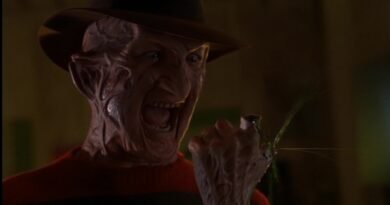
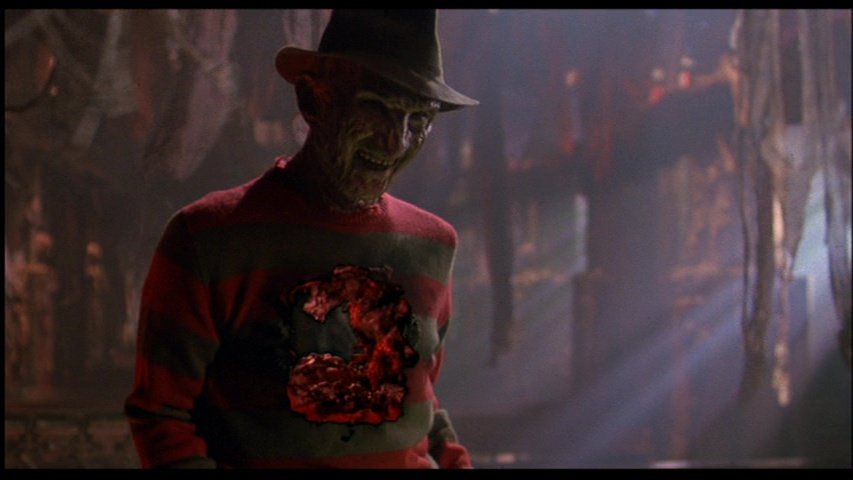
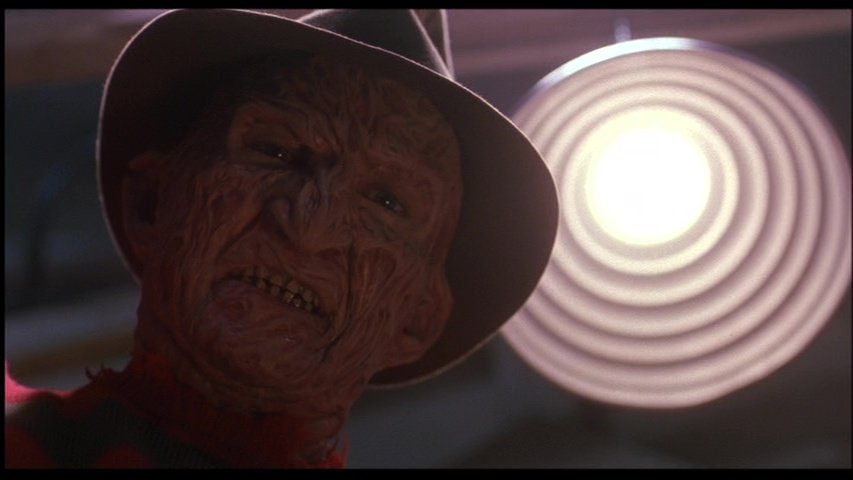
Robert Englund once again delivers a commanding performance as Freddy Krueger. In this instalment, Freddy becomes more theatrical and self aware, often displaying a playful yet sadistic personality. Englund’s ability to balance humour with menace ensures that Freddy remains engaging even as the tone of the series shifts.
Lisa Wilcox’s performance as Alice Johnson is one of the film’s strongest elements. Alice begins as a quiet, insecure character but gradually transforms into a confident and empowered protagonist. Her emotional journey is central to the film, and she provides a strong anchor for the increasingly surreal narrative.
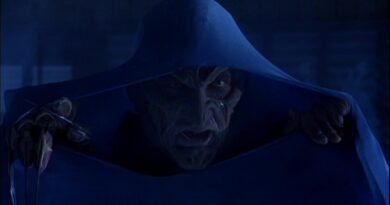
The dream sequences are highly inventive, featuring memorable visual ideas such as the diner scene, the exercise room transformation, and the surreal effects of Freddy’s dream manipulation. These sequences showcase the franchise’s willingness to push creative boundaries.
The pacing of the film is also notably brisk. Compared to earlier entries, The Dream Master moves quickly from one set piece to another, maintaining a steady rhythm of tension and release. This structure helps sustain engagement even when the narrative becomes more abstract.
The film also benefits from a stronger sense of continuity within Alice’s arc. Her ability to absorb the traits of others adds an emotional and narrative layer that distinguishes her from previous protagonists.
What Doesn’t Work
Despite its strengths, the film is often criticised for prioritising style over substance. While the dream visuals are impressive, the underlying narrative can feel thin in comparison. Character development beyond Alice is limited, with supporting characters often serving primarily as setup for dream deaths.
Some of the dialogue feels overly simplistic or repetitive, particularly in scenes that are meant to build emotional weight. This can reduce the impact of certain character moments.
The tone of the film leans heavily into fantasy horror, which may not appeal to viewers who preferred the darker, more grounded atmosphere of the original A Nightmare on Elm Street. Freddy’s increased humour and theatricality also shift the franchise further away from pure horror.
Certain effects, while creative, show their age. Although many practical effects remain impressive, some compositing and visual transitions are clearly products of late 1980s technology.
The rapid pacing, while generally a strength, occasionally results in underdeveloped transitions between major events. Some emotional beats feel rushed as the film prioritises momentum over reflection.
Final Thoughts: Does It Hold Up?
A Nightmare on Elm Street 4: The Dream Master holds up as a visually ambitious and entertaining entry in the franchise. It represents a clear evolution in tone, moving the series further into stylised fantasy horror while maintaining its core mythology.
The film’s emphasis on dream logic and visual creativity makes it one of the more distinctive entries in the series. While it may not carry the same psychological weight as the original film, it compensates with imaginative set pieces and a strong central performance from Lisa Wilcox.
Freddy Krueger continues to evolve as a character, becoming more performative and self aware. This version of Freddy is less restrained and more overtly theatrical, which has divided audiences but also contributed to his lasting cultural impact.
Alice Johnson’s development into a “Dream Master” figure provides a compelling narrative progression. Her journey from vulnerability to empowerment adds emotional structure to the film and gives it a clearer protagonist driven arc than some other sequels.
Over time, The Dream Master has gained appreciation as a product of its era, reflecting the late 1980s trend toward visually driven horror cinema. While not without flaws, it remains a key chapter in the Elm Street saga.
Who Would Enjoy This Episode?
- Fans of the A Nightmare on Elm Street franchise.
- Viewers who enjoy stylised fantasy horror.
- Those interested in dream based visual storytelling.
- Fans of 1980s practical effects and creature design.
- Audiences who enjoy strong female horror protagonists.
Who Might Not Enjoy It?
- Viewers who prefer grounded psychological horror.
- Those who dislike camp or theatrical horror villains.
- Audiences seeking deep character driven ensemble stories.
- Viewers who prefer consistent realism in horror narratives.
Final Verdict
A Nightmare on Elm Street 4: The Dream Master (1988) is a visually ambitious and fast paced sequel that pushes the franchise further into fantasy horror territory. While its focus on spectacle sometimes comes at the expense of depth, it remains an entertaining and influential entry with strong performances and memorable dream sequences.