A Nightmare on Elm Street 3: Dream Warriors (1987) Review
Title:
A Nightmare on Elm Street 3: Dream Warriors (1987)
Writer(s):
Wes Craven, Bruce Wagner, Frank Darabont, Chuck Russell, based on characters created by Wes Craven
Director:
Chuck Russell
Main Cast: Actor (Character):
Heather Langenkamp (Nancy Thompson), Robert Englund (Freddy Krueger), Patricia Arquette (Kristen Parker), Craig Wasson (Neil Gordon), Laurence Fishburne (Max), Ken Sagoes (Kincaid), Rodney Eastman (Joey), Jennifer Rubin (Taryn)
Synopsis
A Nightmare on Elm Street 3: Dream Warriors (1987) is widely regarded as the film that revitalised the Elm Street franchise. Set several years after the original nightmare events, the story follows a group of teenagers who are patients at a psychiatric hospital. Each of them is troubled by recurring nightmares in which Freddy Krueger continues to hunt them in their sleep.
As their deaths begin to mirror the dream attacks, the teenagers are placed under the care of Dr. Neil Gordon and former survivor Nancy Thompson, who now works as a psychiatric intern. Nancy begins to realise that the patients are not simply experiencing nightmares but are sharing a connected dream space where Freddy is growing stronger.
Kristen Parker, one of the patients, discovers she has the ability to pull others into her dreams. This ability becomes crucial as the group learns to harness their dream powers and confront Freddy on his own territory. Together, they become known as the Dream Warriors.
As Freddy becomes more powerful through fear and disbelief, the group must learn to overcome their personal traumas and work together to survive. The final confrontation takes place within Freddy’s domain, where imagination and fear determine the outcome.
What Works
One of the strongest aspects of Dream Warriors is its expansion of the dream mythology introduced in the original film. The idea that teenagers can develop powers within their dreams adds a new layer of creativity to the franchise. This concept allows for imaginative sequences that are both visually engaging and thematically rich.
The film successfully balances horror with fantasy elements. Each character’s dream abilities reflect their personality and fears, creating varied and inventive set pieces. These include transformations, supernatural strength, and reality bending environments that make each dream sequence distinct.
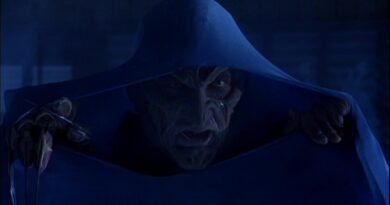
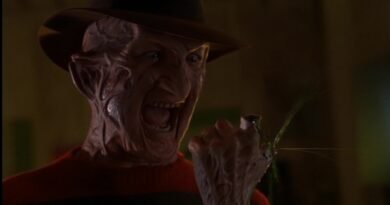
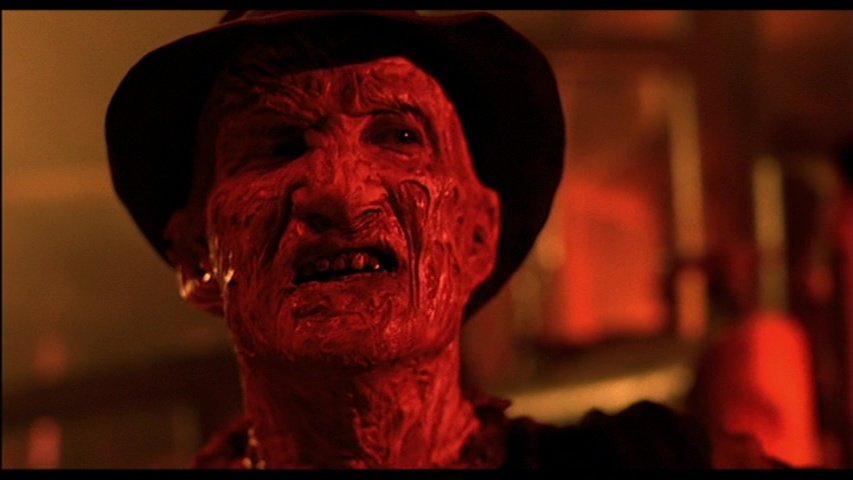
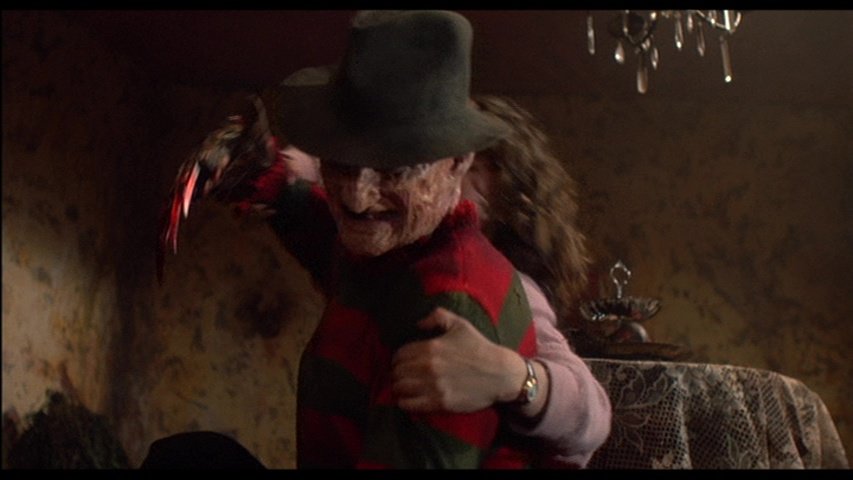
Robert Englund delivers one of his most iconic performances as Freddy Krueger. In this instalment, Freddy becomes more expressive and theatrical, without losing his threatening presence. His blend of dark humour and menace is perfectly balanced, making him both entertaining and terrifying.
Heather Langenkamp returns as Nancy Thompson and brings a sense of maturity and authority to the role. Her character serves as a bridge between the original film and the new generation of victims. Nancy’s role as a guide and mentor adds emotional weight and continuity to the story.
Patricia Arquette makes her film debut as Kristen Parker, delivering a strong and vulnerable performance. Her ability to bring others into her dreams becomes the emotional and narrative centre of the film.
The supporting cast of teenagers is well developed for a horror ensemble. Each character is given a distinct personality and backstory, making their struggles and deaths more impactful than in many other slasher films of the era.
Chuck Russell’s direction is confident and energetic. The pacing is tighter than its predecessors, and the film maintains a strong momentum throughout. The special effects, particularly the practical creature designs and dream transformations, remain impressive for the time.
What Doesn’t Work
While the film is widely praised, it is not without flaws. Some of the dialogue can feel melodramatic, particularly in emotionally charged scenes. This reflects the style of 1980s horror cinema but may feel dated to modern audiences.
Certain effects, while creative, show their age. Although practical effects are generally strong, a few moments rely on techniques that no longer hold up visually.
The logic of the dream powers is not always consistent. While the concept is intentionally flexible, some viewers may find the rules of Freddy’s abilities and the Dream Warriors’ powers unclear at times.
The pacing in the early part of the film is slightly uneven as characters and their abilities are introduced. However, this improves significantly once the group begins to unite.
Final Thoughts: Does It Hold Up?
A Nightmare on Elm Street 3: Dream Warriors holds up extremely well as both a sequel and a standalone horror fantasy film. It successfully expands the mythology of the original while introducing new ideas that would shape the franchise moving forward.
Its blend of horror, fantasy, and character driven storytelling makes it one of the most accessible entries in the series. The film’s creativity in its dream sequences continues to influence horror and fantasy films decades later.
Freddy Krueger reaches a peak in terms of personality and screen presence in this film. The balance between humour and horror is carefully maintained, making him one of the most entertaining villains in horror history.
The film also benefits from strong emotional themes. The idea of confronting personal trauma within dreams gives the story depth beyond its horror framework. Each character’s journey is tied to overcoming fear, addiction, isolation, or self doubt.
Nancy Thompson’s return adds continuity and emotional resonance, reinforcing the idea that survival comes from understanding and confronting fear rather than running from it.
Who Would Enjoy This Episode?
- Fans of the A Nightmare on Elm Street franchise.
- Viewers who enjoy horror mixed with fantasy elements.
- Those who appreciate character driven horror stories.
- Fans of 1980s horror cinema and practical effects.
- Audiences who enjoy creative and surreal set pieces.
Who Might Not Enjoy It?
- Viewers who prefer grounded or realistic horror.
- Those who dislike fantasy elements in slasher films.
- Audiences who prefer consistent and strict internal rules.
- Viewers who prefer minimal humour in horror villains.
Final Verdict
A Nightmare on Elm Street 3: Dream Warriors (1987) is one of the strongest entries in the Elm Street franchise. With imaginative dream sequences, strong performances, and an expanded mythology, it successfully reinvents the series while staying true to its roots. It remains a standout example of 1980s horror creativity.